Technical Guides

Lint Does Not Clog a Fan All at Once

In a textile plant, a nonwoven line or any hall where fibre is in the air, a cooling fan rarely fails the way a datasheet imagines...
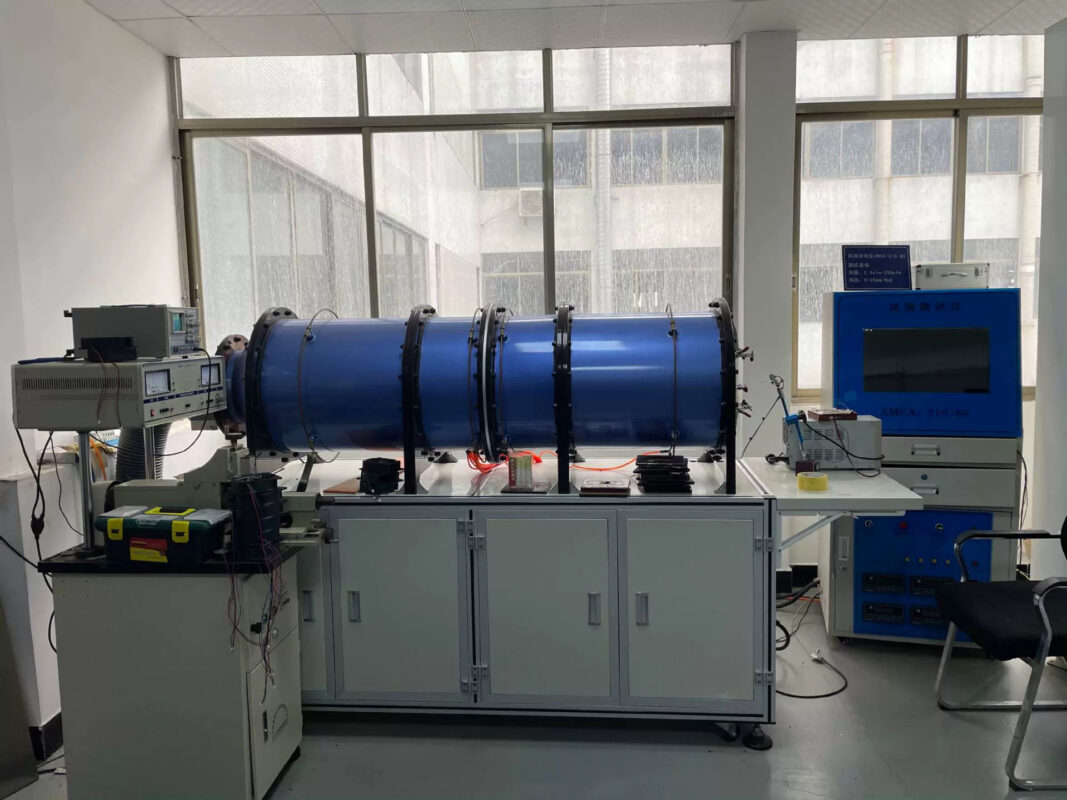
Why a Free-Air Fan Test Cannot Qualify an Enclosure
Free-air airflow is a useful baseline, but it cannot qualify a fan inside an enclosure. Learn how to define the installed airflow path, test fixture and acceptance record.

Where an EC Fan Drive Sits, and Who Cools It
A fan's input power is an electrical figure. What leaves the product as moving air is smaller than that, and the difference does n...
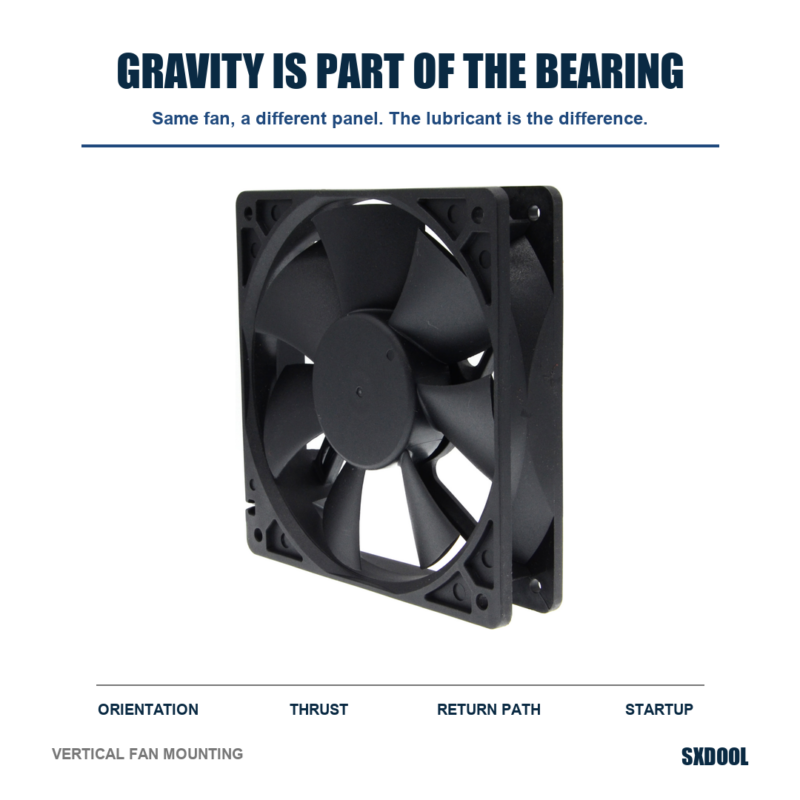
Mounting a Fan Vertically: What Changes Inside
On most enclosure drawings, the fan's orientation is decided by the panel, not by the fan. The panel has to be a vertical wall, so...

Cooling Hydrogen Rectifier Power Skids
A rectifier skid for a green hydrogen plant leaves the workshop as one enclosure on one frame, and it is easy to treat it as one c...

Isolating a Fan Is Not the Same as Soft-Mounting It
A cooling fan bolted straight to a sheet-metal panel turns that panel into a loudspeaker for everything the rotating assembly prod...
A Buyer’s First-Article Inspection Checklist for OEM Cooling Fans
Check an OEM fan’s drawing revision, connector orientation, operating point and sample evidence before signing off deviations or releasing a production batch.
Cooling Fan Cable Voltage Drop: How to Verify Terminal Voltage in OEM Enclosures
Measure DC voltage at the supply and at the loaded fan connector, trace losses through both conductors, and document the harness for OEM sample approval.
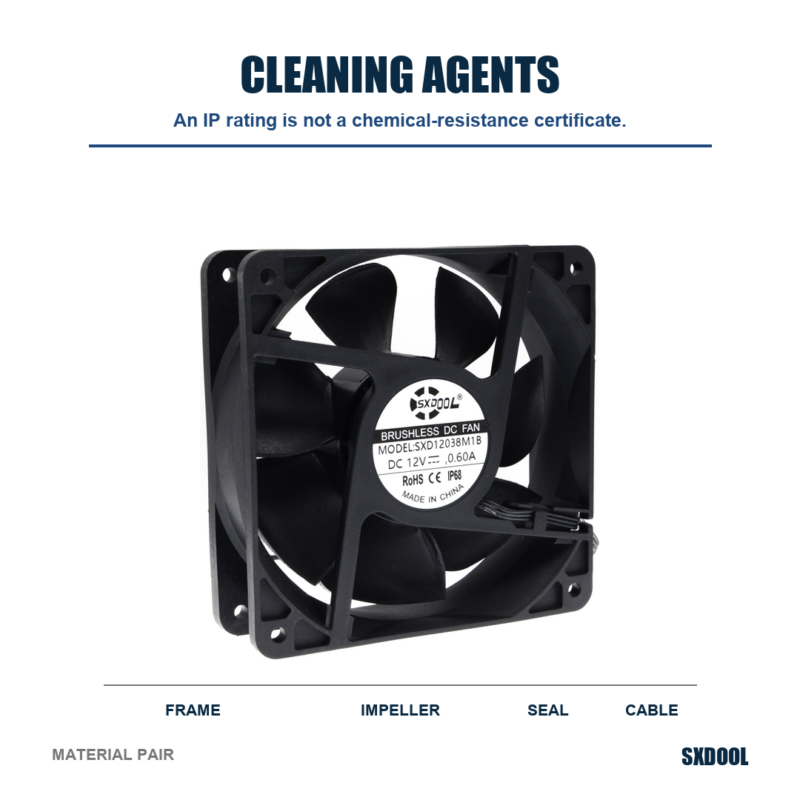
Cleaning Agents and Cooling Fans: Compatibility Is a Material Pair
A cooling fan inside a medical console, a laboratory analyser or a diagnostic instrument is cleaned far more often than it is serv...

Which Way the Air Goes: Fan Rotation Direction
A fan that turns is not automatically a fan that cools. The blades move, the housing vibrates slightly, and the airflow at the gua...