

Active vs. Passive Cooling for LiFePO4 Battery Racks in BESS
Active vs. Passive Cooling for LiFePO4 Battery Racks in BESS
In the rapidly evolving landscape of energy storage, Lithium Iron Phosphate (LiFePO4) has become the chemistry of choice for large-scale Battery Energy Storage Systems (BESS). Known for its superior thermal stability and long cycle life, LiFePO4 is the backbone of modern grid-scale and industrial storage. However, even the most stable chemistries are sensitive to temperature. For engineers and developers, the choice between active cooling and passive cooling is a fundamental decision that dictates the system's performance, safety, and long-term economic viability.
The Basics of Passive Cooling in BESS
Passive cooling relies on natural physical processes to dissipate heat without the use of mechanical devices like fans or pumps. This typically includes natural convection, radiation, and the use of heat sinks or Phase Change Materials (PCM).
In small-scale applications or very low-discharge rate systems, passive cooling can be attractive. Its primary benefits are simplicity and the absence of parasitic power consumption. There are no moving parts to fail, which theoretically reduces maintenance. However, passive cooling is inherently limited by the ambient temperature and the surface area available for heat dissipation. In a dense battery rack, the interior cells are often shielded from natural airflow, creating significant thermal gradients that can degrade the cells unevenly.
The Necessity of Active Cooling for High-Density Systems
As BESS designs move toward higher energy densities and faster charge/discharge cycles (higher C-rates), passive cooling is often insufficient. Active cooling uses mechanical energy to move a cooling medium—typically air or liquid—across the battery surfaces to extract heat more efficiently.
Forced Air Cooling: The Industrial Standard
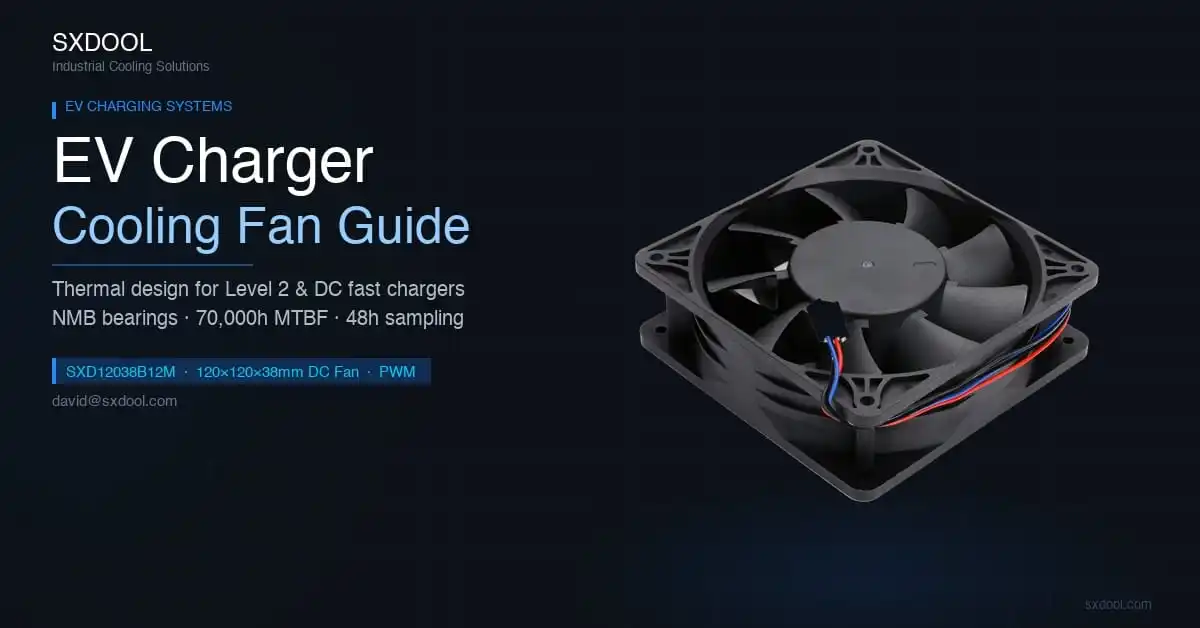
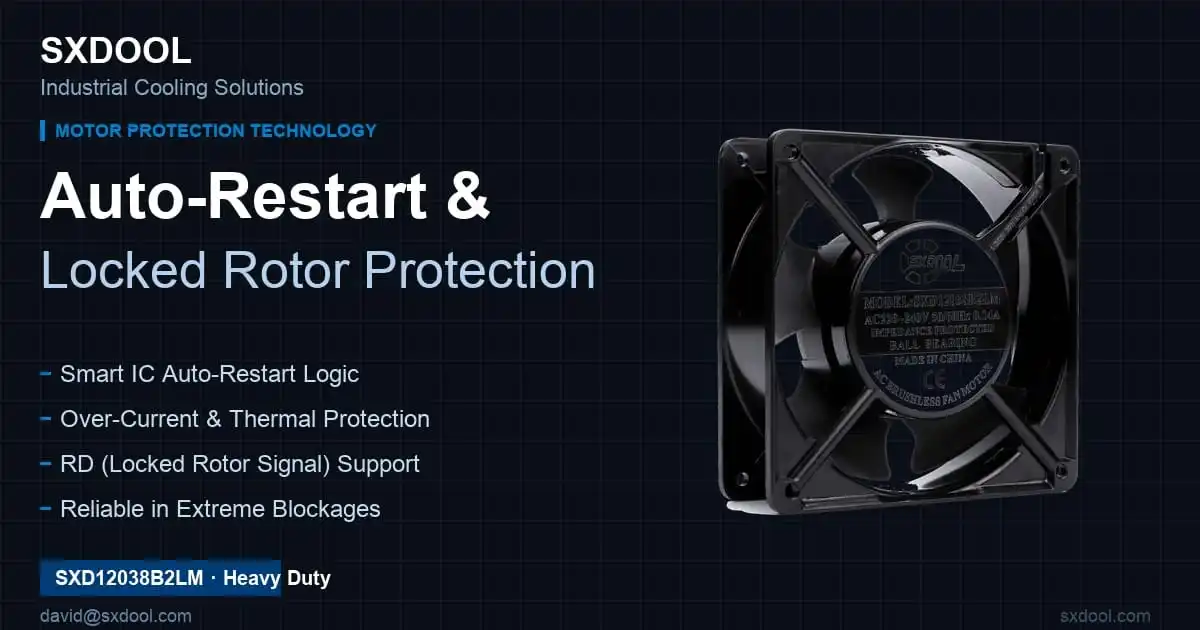
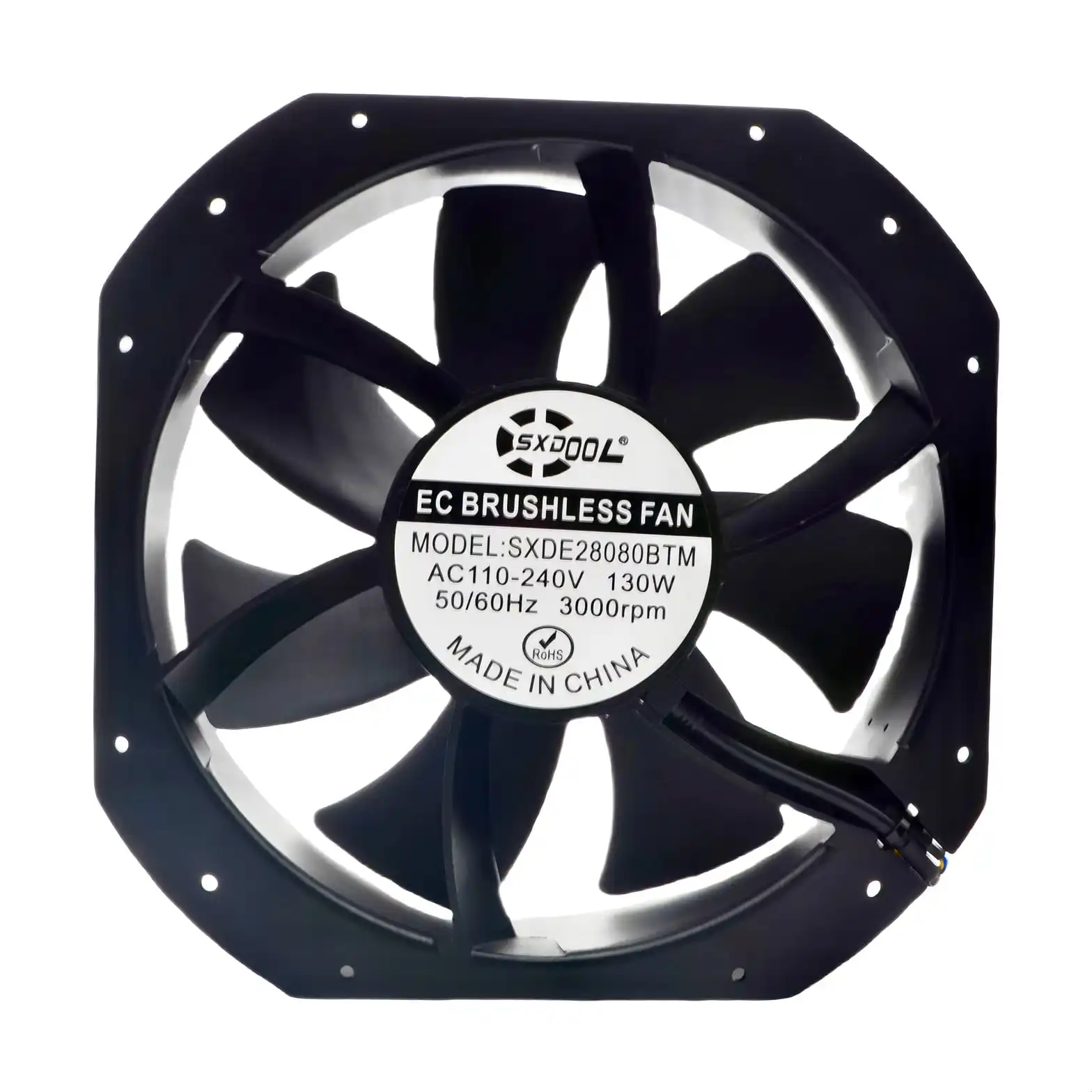
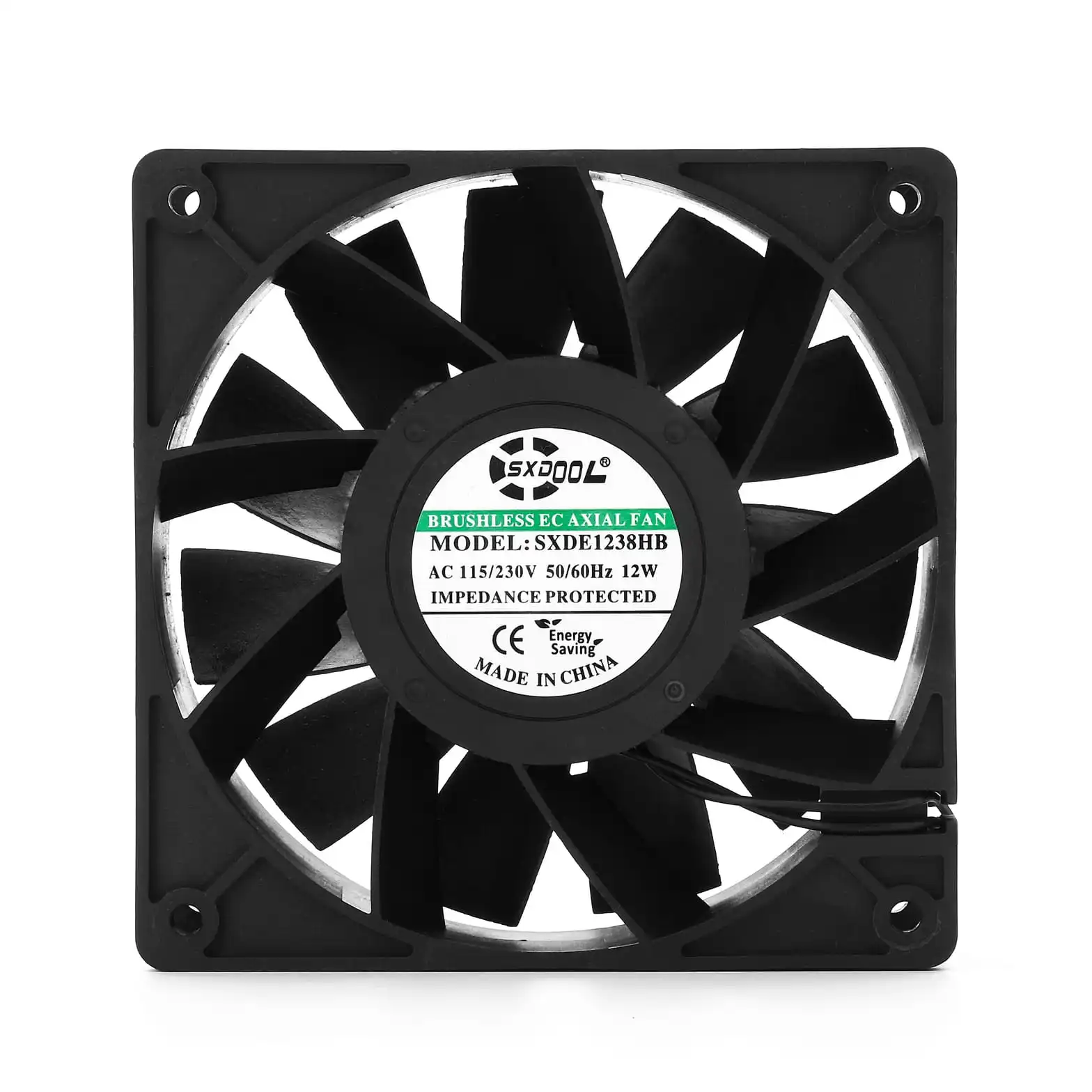
Forced air cooling remains the most common active cooling method for LiFePO4 battery racks due to its balance of cost, complexity, and effectiveness. By using high-performance fans, engineers can direct airflow exactly where it's needed, breaking down the thermal boundary layer on the cell casing and ensuring that heat is removed even from the most cramped rack configurations.
This is where SXDOOL (Sensda Electronics) excels. Providing specialized cooling fans designed specifically for the rigors of BESS environments ensures that "forced air" is not just air in motion, but a precisely controlled thermal management tool.
Technical Deep Dive: What Makes a BESS Fan Reliable?
When selecting active cooling components, industrial OEM engineers must look beyond simple CFM (Cubic Feet per Minute) ratings. A fan in a BESS rack is a critical safety component. Its failure is not an option.
PWM Speed Control and Intelligent Cooling
Modern BESS racks utilize PWM (Pulse Width Modulation) speed control to optimize energy efficiency. By allowing the Battery Management System (BMS) to vary the fan speed based on actual temperature readings, the system can maintain a tight temperature window while minimizing "parasitic load"—the energy the cooling system itself consumes. SXDOOL's advanced fan controllers allow for precise speed adjustments, ensuring the system operates at the peak of the efficiency curve.
NMB Double Ball Bearings for 24/7 Reliability
The bearing system is the heart of a fan's longevity. Standard sleeve bearings are prone to failure in the high-heat, high-duty cycles of a BESS. SXDOOL integrates NMB double ball bearings into its product line. These premium bearings handle both radial and axial loads better than single-ball or sleeve alternatives, providing a lifespan that matches the 15-20 year expectation of the battery racks themselves.
Environmental Protection: IP68 Ratings
BESS containers are often exposed to humidity, dust, and even salt air. Active cooling systems must be resilient. An IP68 rating means the fan is completely protected against dust ingress and can operate even when submerged in water. This level of protection is vital for maintaining the integrity of the cooling system in outdoor or coastal BESS installations, where environmental contaminants could otherwise cause premature mechanical failure or electrical short circuits.
Active vs. Passive Cooling: A Comparative Analysis
| Feature | Passive Cooling | Active Cooling (Forced Air) |
|---|---|---|
| Thermal Control | Low - Dependent on ambient conditions | High - Controlled by BMS/PWM |
| System Density | Low - Requires space for natural airflow | High - Can cool dense rack configurations |
| Parasitic Power | Zero | Minimal (Optimized by PWM) |
| Initial Cost (CAPEX) | Low | Moderate |
| Battery Lifespan (TCO) | Potential for uneven degradation | Maximizes lifespan through uniformity |
| Safety | Basic | Enhanced thermal runaway prevention |
The Economic Argument: Efficiency and TCO
From a procurement perspective, the "Active vs. Passive" debate is often framed as a CAPEX vs. OPEX discussion. While passive systems have lower initial costs, they often lead to higher Total Cost of Ownership (TCO). LiFePO4 batteries are expensive assets. If a passive cooling system allows for a 10°C higher operating temperature, the battery's cycle life can be cut in half. Active cooling, especially when utilizing high-efficiency SXDOOL fans, protects the investment by ensuring the cells operate within their optimal "sweet spot" (typically 20°C to 30°C).
Safety and Regulatory Compliance
Safety standards for BESS, such as UL 9540 and NFPA 855, place heavy emphasis on thermal management. Active cooling systems provide a layer of active protection. In the event of an abnormal temperature rise, the BMS can ramp up fan speeds to maximum to attempt to dissipate the heat before it leads to thermal propagation. This proactive approach to safety is a key reason why most large-scale BESS developers specify active cooling for their LiFePO4 racks.
Why Choose SXDOOL (Sensda Electronics)?
As an expert manufacturer in the thermal management space, SXDOOL has developed a suite of cooling solutions tailored for BESS. Our fans are not just generic components; they are engineered for industrial longevity. With features like NMB double ball bearings, PWM control, and IP68 environmental sealing, we provide the reliability that OEM engineers and procurement professionals demand for their critical infrastructure projects.
Conclusion
While passive cooling has its place in low-power, niche applications, active cooling—specifically forced air cooling—is the superior choice for modern LiFePO4 BESS racks. It offers the precision, density, and safety required for high-performance energy storage. By investing in high-quality active cooling components from specialists like SXDOOL, developers can ensure their systems deliver the promised capacity and lifespan, maximizing the return on investment for years to come.
Ready to optimize your LiFePO4 rack cooling? Contact SXDOOL today to speak with our thermal management experts about our BESS-optimized fan solutions.







0 Comentarios