

DC Cooling Fans: Market Insights and Technical Guide


1 Introduction to DC Cooling Fans
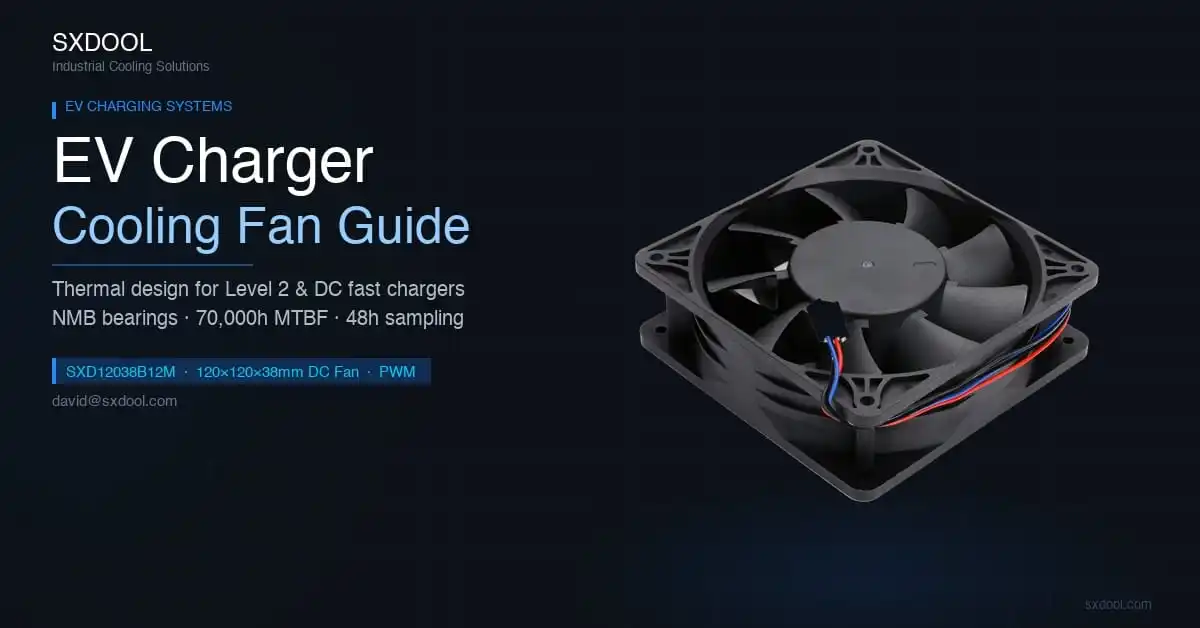
DC cooling fans are essential components in modern thermal management systems, designed to dissipate heat and maintain optimal operating temperatures in electronic and mechanical equipment. These fans operate on direct current (DC) power and are widely recognized for their energy efficiency, quiet operation, and precise controllability. Unlike AC fans, DC fans convert electrical energy into mechanical motion using electromagnetic induction, enabling dynamic adjustments to airflow based on cooling demands.
The versatility of DC cooling fans makes them suitable for diverse applications, including computer systems, telecommunications equipment, automotive electronics, industrial machinery, and medical devices. Their ability to provide reliable cooling while minimizing power consumption has positioned them as a preferred solution in energy-conscious industries.
2 Core Technologies and Working Principles
2.1 Basic Components and Operation
A typical DC cooling fan consists of:
-
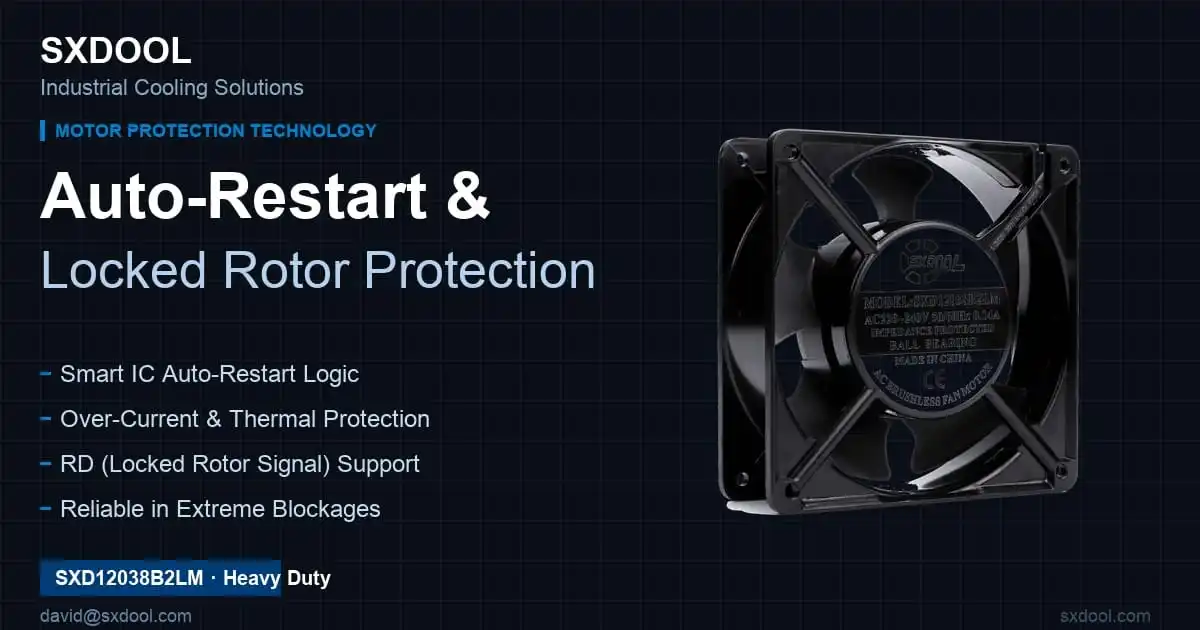
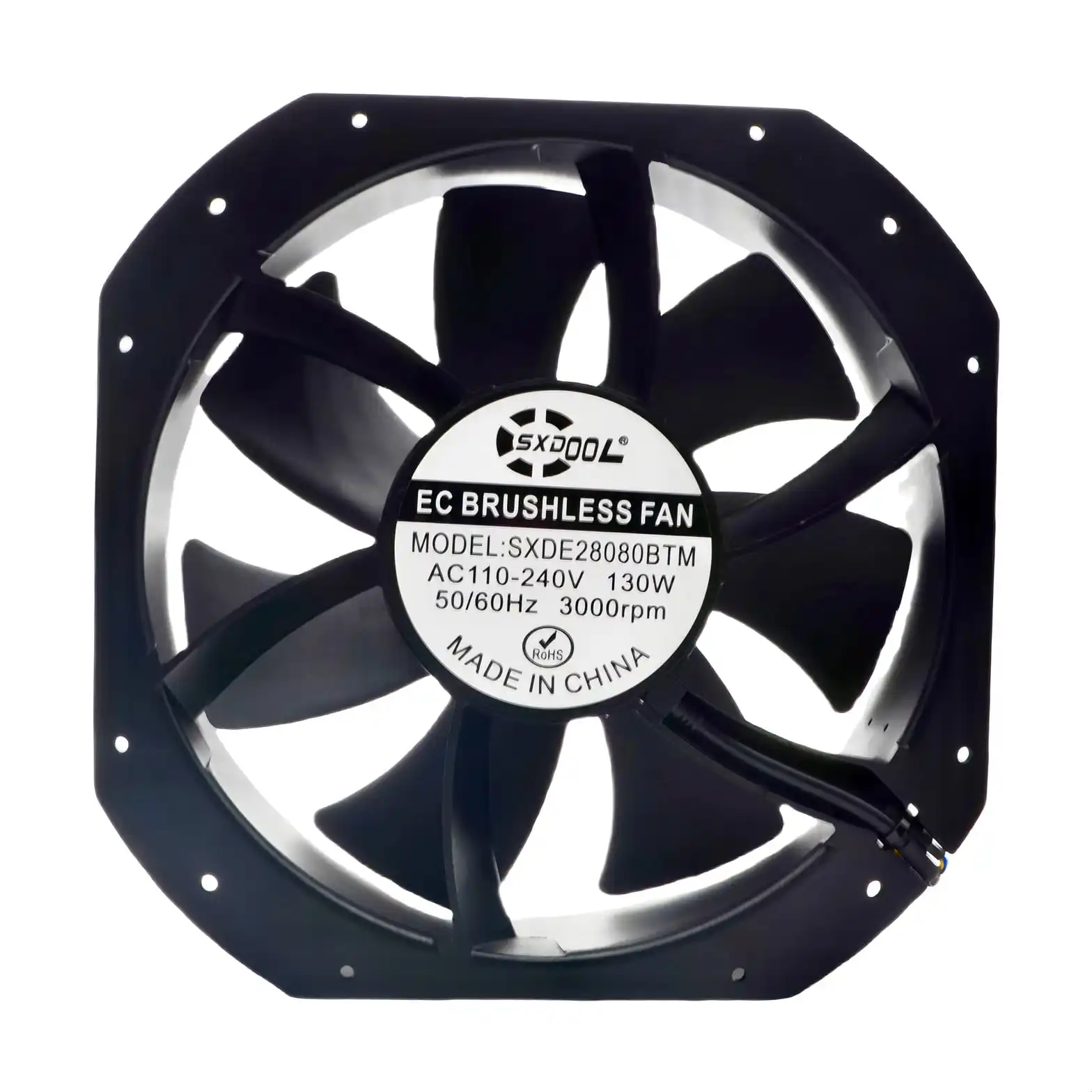
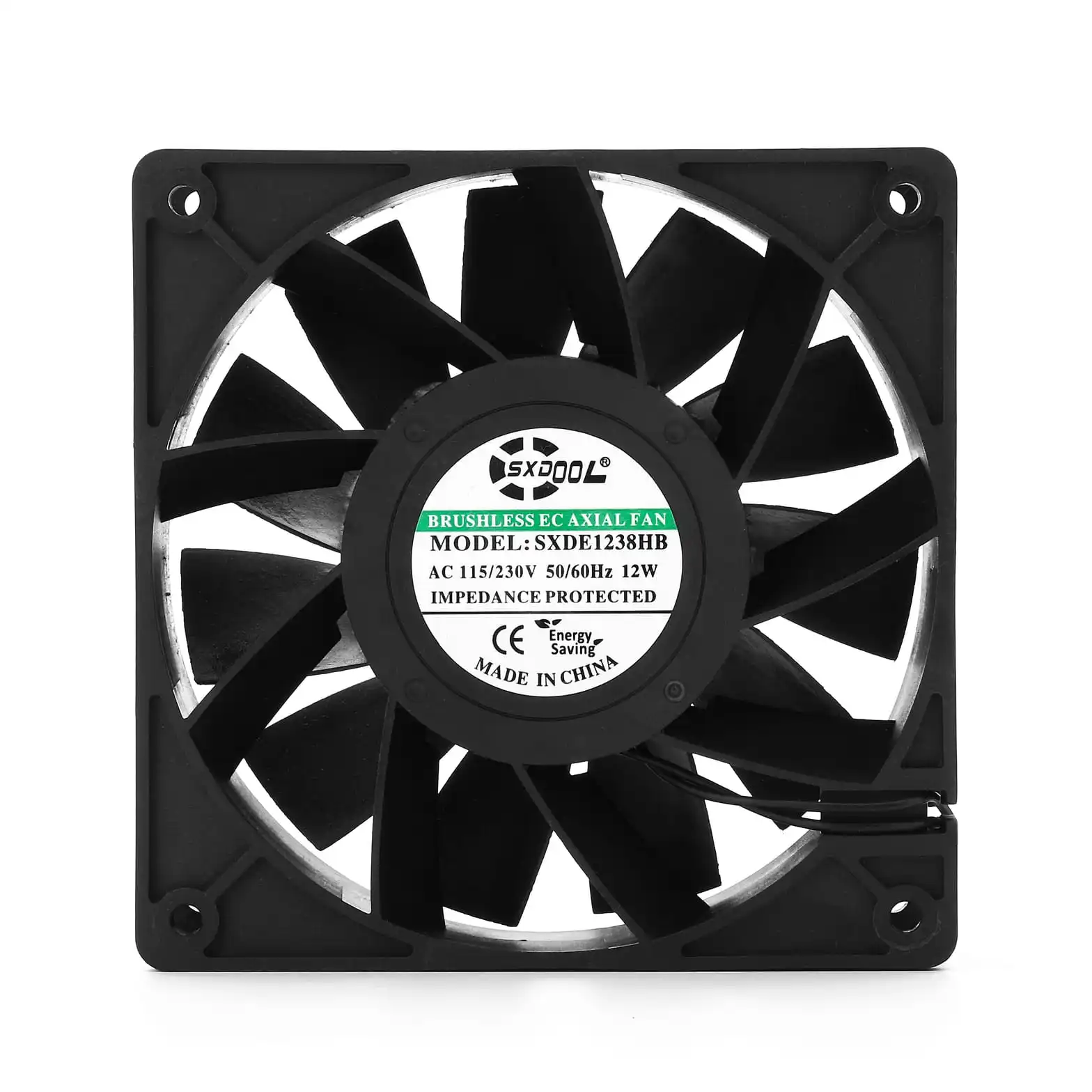
Motor: The core component that converts electrical energy into rotational motion. Brushless DC (BLDC) motors are common due to their durability and efficiency.
-
Blades: Designed to maximize airflow while minimizing noise. The shape and angle of the blades directly impact cooling performance.
-
Housing: Provides structural support and often includes mounting features for easy installation.
-
Control Circuit: Enables speed regulation via voltage adjustment or pulse-width modulation (PWM).
When DC voltage is applied, the motor generates a magnetic field that rotates the blades, creating airflow. This airflow draws heat away from critical components, preventing overheating.
2.2 Types of DC Cooling Fans
|
Fan Type |
Characteristics |
Common Applications |
|---|---|---|
|
Axial Fans |
Airflow parallel to the rotation axis; high airflow at low pressure. |
Computer cases, servers, electronic enclosures. |
|
Centrifugal Fans |
Airflow perpendicular to the rotation axis; high-pressure output. |
Confined spaces, ducted systems, HVAC equipment. |
|
Cross-Flow Fans |
Wide, uniform airflow; cylindrical shape. |
HVAC systems, automotive ventilation. |
2.3 Advanced Features
-
PWM Control: Allows precise speed adjustments by modulating the power signal, enhancing energy efficiency.
-
Thermal Sensors: Integrated sensors provide real-time temperature feedback, enabling automatic fan speed regulation.
-
Brushless Technology: Eliminates mechanical brushes, reducing friction, noise, and wear for longer lifespan.
3 Industry Data and Market Trends
3.1 Growth Projections
The global DC cooling fan market is experiencing significant growth, driven by rising demand for efficient thermal management in electronics, automotive, and industrial sectors. The market is projected to reach USD 2.5 billion by 2025, with a compound annual growth rate (CAGR) of 8.5% through 2033.
3.2 Performance Metrics
-
Energy Efficiency: DC fans consume up to 70% less energy than AC alternatives, making them ideal for battery-operated devices.
-
Noise Levels: Advanced designs operate as low as 25–35 decibels, critical for residential and office environments.
-
Lifespan: High-quality brushless DC fans can operate for 30,000–35,000 hours under normal conditions.
3.3 Emerging Trends
-
IoT Integration: Smart fans with real-time monitoring and adaptive cooling capabilities are gaining traction.
-
Miniaturization: Compact fans (e.g., 80mm × 80mm × 10mm) are being developed for space-constrained applications.
-
Sustainability: Use of recyclable materials and energy-efficient designs aligns with global environmental goals.
4 Key Considerations for Selection and Application
4.1 Factors Influencing Fan Selection
-
Size and Form Factor: Must fit available space without compromising airflow (e.g., 80mm × 80mm × 25mm for PC cases).
-
Airflow and Pressure Requirements: Axial fans for high airflow; centrifugal fans for high-pressure needs.
-
Noise Constraints: Low-noise models are essential for medical, residential, or office use.
-
Power Consumption: Critical for battery-powered devices; PWM control can optimize efficiency.
-
Environmental Conditions: Dust-proof or waterproof variants are available for harsh industrial settings.
4.2 Applications by Industry
-
Consumer Electronics: Cooling for laptops, gaming consoles, and home theater systems.
-
Automotive: Engine cooling, cabin ventilation, and battery thermal management in electric vehicles.
-
Industrial: CNC machinery, control panels, and power supplies.
-
Medical: Critical for MRI machines, patient monitors, and laboratory equipment.
5 Frequently Asked Questions (FAQ)
5.1 General Questions
Q: What is the primary advantage of DC fans over AC fans?
A: DC fans offer superior energy efficiency (up to 70% savings), quieter operation, and precise speed control via PWM or voltage regulation.
Q: How do I control the speed of a DC cooling fan?
A: Speed can be adjusted through:
-
Voltage Control: Reducing/increasing voltage to lower/raise speed.
-
PWM Control: Modulating the duty cycle of the power signal.
-
Thermal Sensors: Automatic adjustment based on real-time temperature data.
5.2 Performance and Maintenance
Q: What causes noise in DC fans, and how can it be reduced?
A: Noise arises from high rotational speeds, bearing friction, or airflow resistance. Using ball bearings (instead of sleeve bearings), optimizing blade design, and ensuring stable mounting can minimize noise.
Q: How long do DC cooling fans typically last?
A: Lifespan depends on bearing type and operating conditions. Ball-bearing fans may last 30,000–35,000 hours, while sleeve-bearing variants average 20,000–30,000 hours.
Q: Can DC fans be used in high-temperature environments?
A: Yes, many models are designed with heat-resistant materials (e.g., PBT plastic) and can operate reliably in elevated temperatures. Always check the manufacturer’s specifications.
5.3 Installation and Compatibility
Q: Are DC fans easy to install?
A: Most DC fans include standardized mounting hardware (e.g., screws or clips) and connectors (e.g., 2- or 3-pin), simplifying installation in PCs, servers, and industrial equipment.
Q: What voltage options are available?
A: Common voltages include 12V (consumer electronics), 24V (industrial systems), and 48V (high-power applications). Select a fan matching your power supply requirements.








0 Comments